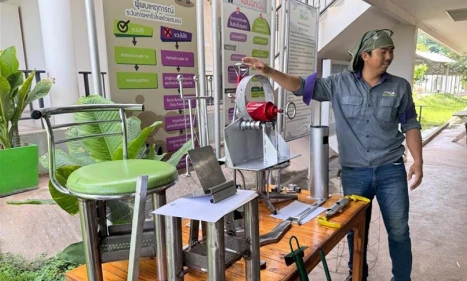
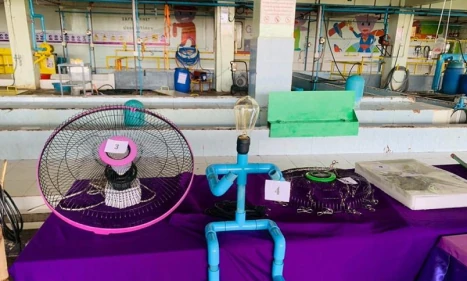
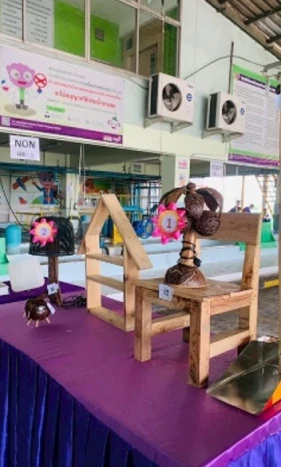
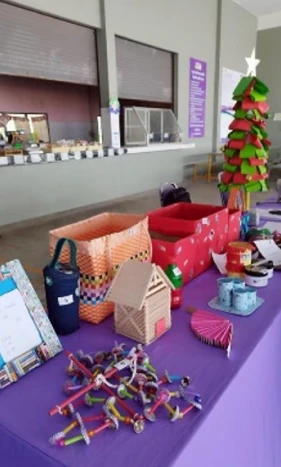
The Company recognizes the importance of managing waste and unused materials with a focus on making the best use of waste, including adding value thereof by using technology which, in addition to reducing environmental impacts, also helps to reduce the cost of waste disposal arising from the Company’s operations, both directly and indirectly. The Company has consistently implemented waste management practices based on the 3Rs principles (Reduce, Reuse, Recycle) and aligned with the Bio-Circular-Green (BCG) Economy Model. These efforts aim to minimize waste generation and add value to unused materials. In addition, the Company promotes environmental awareness among employees through initiatives such as the Waste Bank Project and encourages responsible practices among suppliers in the supply chain through the Supplier Code of Conduct. This includes efficient resource utilization and the selection of sustainable materials.

Management Guidelines

Manage waste in accordance with the 3Rs principle
(Reduce, Reuse, Recycle)
by optimizing work processes to minimize waste generation,
and emphasizing sorting and reusing of materials.
Create value and benefits
from waste and unusable materials
by adopting the principles of the circular economy.
Maximize the use of raw materials and existing materials
for materials used, by developing and creating added value
from production to delivery to consumers.
Selection of sustainable materials.

Goals

Reduce the amount of waste generated per product unit
by 10 percent
compared to the base year 2022 by 2026.
Zero waste
to landfill by 2030.

Performance Results

Total waste intensity

(Unit: Kg per ton of product)

Percentage of total waste intensity reduction compared to base year

(Unit: Percent)

Total waste directed to landfill

(Unit: Ton)
Note: Performance data for 2024 has been verified by a third party.

Waste and unused materials management projects
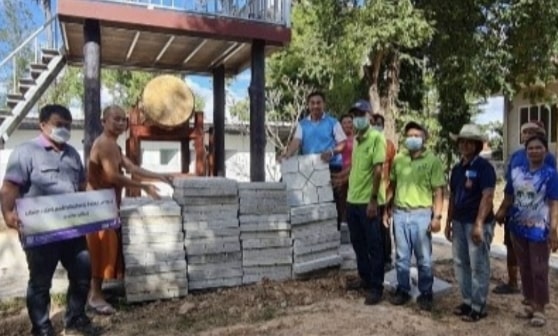
S-Brick: Sustainable Brick, Green Brick Project
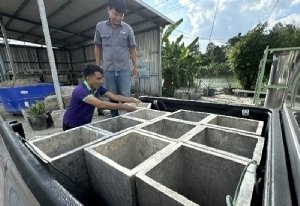
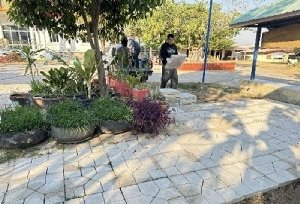
Based on the concept of the Circular Economy, the Company uses ashes from burning wood chips, which are biomass fuels used in boilers, as an ingredient in paving bricks for landscape improvement in factories and surrounding communities. This initiative aims to minimize waste sent to landfills and reduce environmental impacts associated with waste disposal. Moreover, it generates value and benefits from waste.
In 2024, the Company operated through five branches of blocked rubber factories, namely Sri Trang Agro-Industry Public Company Limited in Kalasin and Sa Kaeo branches, Rubberland Products Company Limited in Mukdahan, Buriram and Bueng Kan branches.

Ash from wood
chip combustion

S-Brick

Sustainable
Brick,
Green Brick
Project
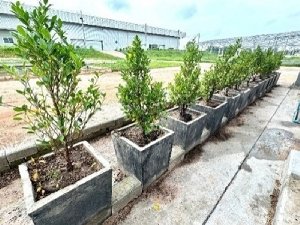
Benefits received

Reduce the amount of ash sent to the landfill by 19.02 tons
Paving bricks for landscape improvement,
with a total value of THB 55,232

The detail can be found in the 2024 Sustainability Report under the section on Waste and unused materials management projects
Useful Soil project

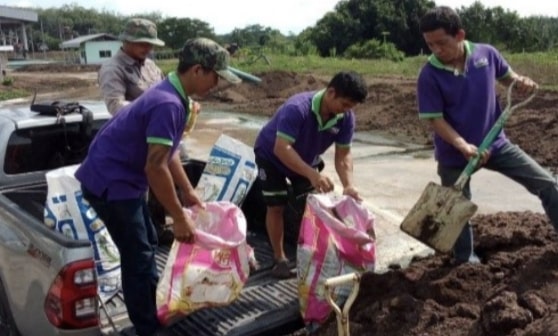
The Company has implemented the Useful Soil project continuously by using sludge from the wastewater treatment system, which is analyzed to contain a high quantity of nitrogen, an essential nutrient for plant and tree growth, and has no contamination of harmful heavy metals as soil improvement material for agriculture, which creates benefits for farmers and communities. In 2024, the company implemented projects in 3 factories: Sri Trang Agro-Industry Public Company Limited, Pattani, Narathiwat and Thung Song Branch.

Sludge from
the wastewater
treatment system

Useful Soil

Benefits received

Reduced fertilizer purchasing costs for 11 farmers in the community, amounting to a total value of 1,431,333 baht.
The company was able to reduce the amount of sludge sent from its wastewater treatment system to landfill by 429 tons

Waste Bank project

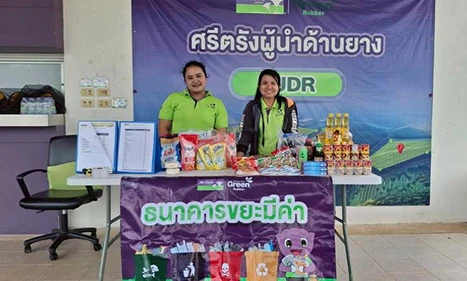
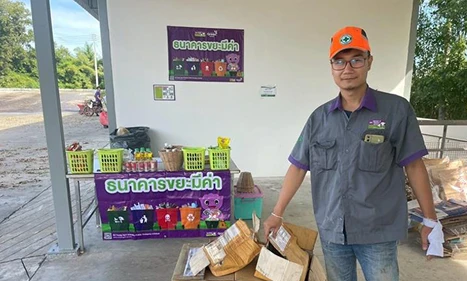
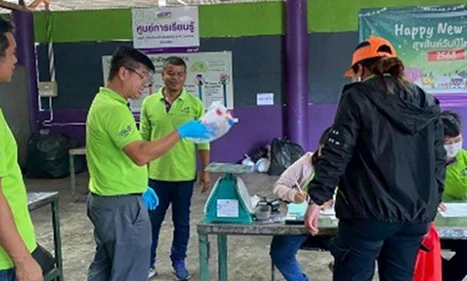
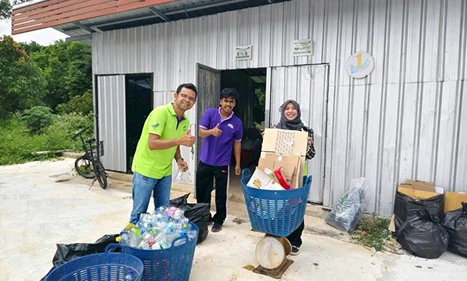
The Company implemented the ‘Recyclable Waste Bank’ project to raise employees’ awareness of waste-related issues and impacts, as well as to promote proper waste segregation through waste-sorting activities. In 2024, the project was implemented across all 29 factory sites, resulting in 46,046 kilograms of waste being segregated for recycling. In addition, the project was registered under the Low Emission Support Scheme (LESS) with the Thailand Greenhouse Gas Management Organization (Public Organization: TGO)

Benefits received

A total of 1,274 employees recognized the importance of waste segregation for recycling and registered as members of the Waste Bank
Reduced greenhouse gas emissions by 140,035 kgCOeq, equivalent to planting 8,697 Sri Trang trees.