


Employees are our most valuable asset in driving success. We are committed to effective people management through the recruitment of qualified personnel, fair and competitive compensation practices, and continuous employee development. We also prioritize workplace safety and employee well-being, while respecting the rights of employees to representation and collective bargaining. Furthermore, we adhere to the principles of the amfori BSCI Code of Conduct to uphold labor standards and ensure responsible treatment of our workforce.
Workforce Management and Human Capital Development
Recruitment
The Company recruits employees with consideration to human rights and non-discrimination in any form, whether due to gender, age, religion, nationality, race, class or disability. The Company has a policy of recruiting from internal personnel through the process of job modification or transfer of work lines in order to foster advancement and growth among employees. For outsourcing, the Company recruits personnel according to the specific job duties for each position, along with measure of EQ or emotional intelligence in order to get employees who are good and competent, suitable for the job position whereby the necessary recruitment details are specified in full through various channels such as the Company's website, various job search websites, open admission in universities and booths in provincial job fairs so that interested candidates can choose to apply for the desired position equally.
The Company employs people with disabilities in communities under Section 33 of the Promotion and Development of the Quality of Life of Persons with Disabilities Act B.E. 2550 (2007) and in cooperation with government agencies and local administration organizations to provide suitable jobs for them to work in those agencies. In addition to complying with the law, employing underprivileged and disabled individuals also supports the United Nations' Sustainable Development Goals of eradicating poverty, promoting decent work, and reducing social inequality. This aligns with the company's human rights and non-discrimination policies.
Moreover, the Company builds facilities for disabled employees, such as ramps, toilets, and car parks, including organizing activities to develop capabilities and create happiness for disabled employees regularly. In 2025, the company employed persons with disabilities in full compliance with the law without making any additional contributions.
| Disable employees | 2021 | 2022 | 2023 | 2024 | 2025 |
|---|---|---|---|---|---|
| Total disable employees (Persons) | 46 | 43 | 46 | 58 | 54 |
|
40 | 38 | 36 | 44 | 42 |
|
6 | 5 | 10 | 14 | 12 |
| Wages Payable (Baht) | 6,264,000 | 5,826,000 | 6,024,000 | 7,680,000 | 7,200,000 |
Remark
- (1) Employment of people with disabilities to work within the company of the Sri Trang Group.
- (2) Employment of people with disabilities to work in the community for public benefits such as government agencies, hospitals, municipalities, etc.
Recruitment Performance
As of 31 December 2025, the Company had 6,823 employees
| Male | Female | |
|---|---|---|
| Total employees by sex | 69% (4,717 Persons) | 31% (2,106 Persons) |
| Total employees by area | |
|---|---|
| Thailand | 67.74% |
|
27.10% |
|
24.61% |
|
3.22% |
|
10.64% |
|
2.17% |
|
0.00% |
| Foreigner | 30.82% |
|
11.93% |
|
18.13% |
|
0.09% |
|
0.00% |
|
0.04% |
|
0.03% |
|
0.29% |
|
0.01% |
|
0.32% |
|
1.33% |
|
0.01% |
|
0.01% |
|
0.03% |
|
0.01% |
|
0.00% |
| Male | Female | |
|---|---|---|
| Employee termination by sex | 74% | 26% |
| Turnover rate | 34.46% |
|---|
| Male | Female | |
|---|---|---|
| New Employee by sex | 75% | 25% |
| New Employee by age | |
|---|---|
|
57.82% |
|
40.07% |
|
2.11% |
| Employees who return to work after maternity leave | 82.61% |
|---|
| Hiring new employee | 2021 | 2022 | 2023 | 2024 | 2025 |
|---|---|---|---|---|---|
| Total number of new employee hires (Persons) | 2,258 | 2,928 | 1,681 | 2,737 | 1,782 |
| Open positions filled by internal candidates (%) | 35 | 28 | 52 | 39 | 37 |
| Average hiring new employee cost (Baht/Person) | 2,389 | 4,244 | 6,475 | 19,340 | 1,663 |
| Employee Level Adjustment Information | 2022 | 2023 | 2024 | 2025 |
|---|---|---|---|---|
| Employees have been promoted (%) | 4.4 | 4.5 | 6.6 | 3.8 |
Workforce Well-being
Employees are an important resource to drive operations and lead the organization to success. As a result, the Company prioritizes the development of a good human resource management system, beginning with recruiting new employees, administering standardized compensation, setting goals and development plans for the potential of employees to promote their progress and career growth and stability, as well as emphasizing the importance of employee safety and health, and granting employees the freedom and respect for the rights of employees to be representatives in collective bargaining regarding benefits for various activities within the company within an appropriate framework. Moreover, the Company has applied labor practices according to the amfori BSCI Code of Conduct and the International Labor Organization (ILO) as a guideline for labor and employee care. In 2025, the company initiated a pilot project to seek certification for the 11 Indicators of Forced Labour (ILO), demonstrating its commitment to rejecting forced labour at the Phitsanulok branch factory. The assessment results indicated that the company complied with all the standards in every aspect.
Fair Compensation Management and Consideration of Cost of Living
The company establishes its compensation structure based on knowledge, skills, job responsibilities, performance, and labor market conditions. Benchmarking against industry standards ensures that compensation remains competitive and fair for employees at all levels, without discrimination on the basis of gender, age, race, religion, or any other status. Recognizing the importance of employees’ cost of living, the company incorporates national cost-of-living data as a key factor in determining compensation. This approach aligns pay with economic conditions, inflation rates, and changing living expenses. The company sets base wages at or above the legal minimum wage and provides additional benefits such as performance bonuses, attendance incentives, and other merit-based rewards to help alleviate living costs and promote employee well-being. For executive compensation, a dedicated committee oversees the process to ensure transparency, appropriateness, and alignment with roles, responsibilities, and company performance. Executive pay is linked to both financial results and sustainability objectives, reinforcing responsible management and supporting long-term sustainable growth for the organization.
Employee Benefits
In addition to fair compensation, the company provides essential benefits to ensure employees have a good quality of life that is appropriate and sufficient for local living costs. These include employee uniforms, housing rental assistance, company-provided accommodation, allowances for off-site work, health and accident insurance, provident fund, retirement benefits, emergency assistance for employees affected by unforeseen events, activities under the Happy Workplace program, educational field trips, as well as social security contributions and all statutory benefits as required by law (GRI 401-2)
Workforce Well-being Performance
The Company has conducted an annual survey of employees' well-being and commitment to the organization and communicated the results of said survey to employees throughout the organization via email, Intranet, and sustainability reports. The results and goals are as follows.
| Performance | Unit | 2021 | 2022 | 2023 | 2024 | 2025 |
|---|---|---|---|---|---|---|
| Goals for employee well-being and engagement | Percent | - | 85 | 85 | 85 | 85 |
| Survey result of Employee well-being and engagement | Percent | 87 | 88 | 89 | 89 | 86.79 |
| Proportion of employees who responded to the survey | Percent | 80 | 87 | 85 | 100 | 100 |
The Human Resources Department has taken feedback from the employee well-being and engagement survey regarding employee benefits and has implemented five improvements as follows:
1. Flexible Benefits
Employees can choose their own benefits, whether it be OPD health insurance or other benefits such as purchasing books for self-development, dental expenses, eyewear costs, spa services, fitness memberships, or travel support.
2. Employee Wellness Program
The Sri Trang Group places great importance on enhancing employees’ quality of life and well-being in the long term, within the framework of sustainable operations (ESG). The Group aims to create a working environment that supports physical and mental health as well as employee engagement, through health promotion activities that are easily accessible and inclusive for all employees.
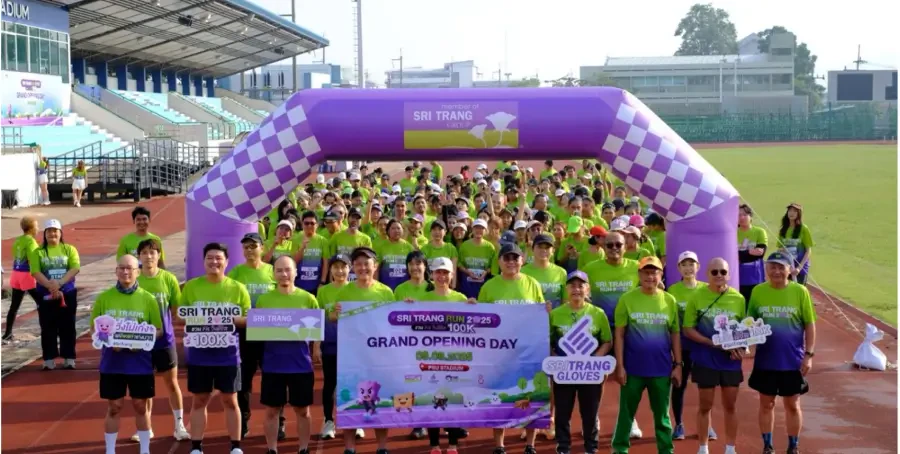
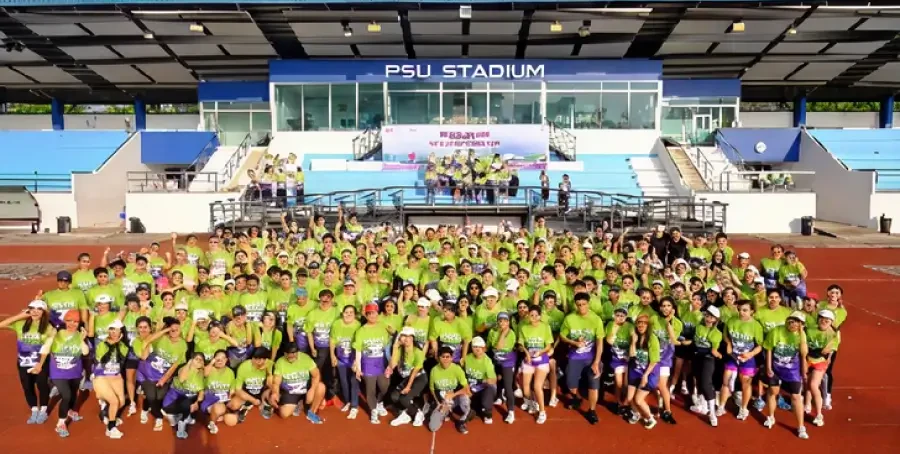
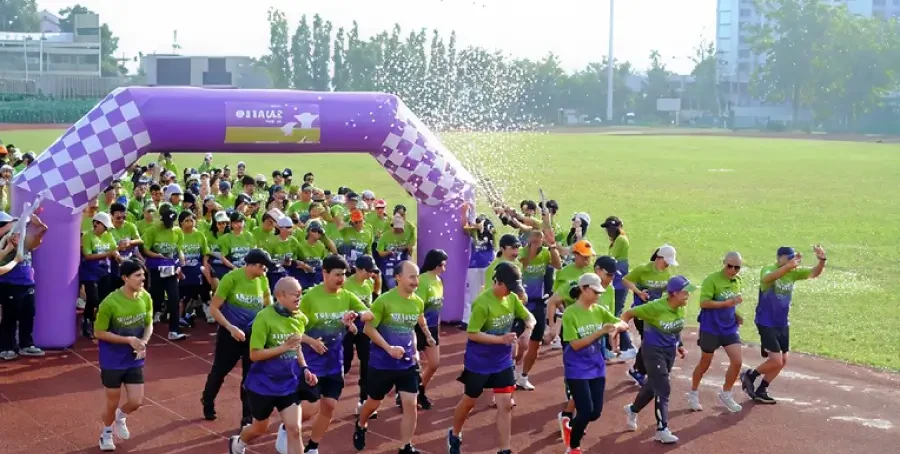
One of the key initiatives for 2025 is the “Sri Trang Run 2025 – Get Fit, Conquer 100K” project, organized to promote a lifestyle centered on regular exercise and to foster a sustainable health culture across the organization. This initiative is carried out with the participation and cooperation of all subsidiary companies within the Sri Trang Group.
Project Performance
The project was organized in the form of a Virtual Run, allowing employees to exercise at times that fit their individual lifestyles. This approach reduced constraints related to location and work schedules, resulting in high participation and reflecting increased health awareness within the organization.
- A total of 1,826 employees registered, achieving 91.30% of the target.
- 1,370 participants (75.03%) started accumulating their running distances.
- 842 employees completed the full 100-kilometer distance within the project period.
- The initiative promoted discipline in regular exercise and encouraged employees to adopt long-term healthy behaviors.
In addition to health outcomes, the activity also helped foster a culture of engagement within the organization. Many employees reported that running alongside their colleagues provided motivation, strengthened team relationships, and contributed to the expansion of a health-oriented culture across the company.

Linkage to Sustainability and Human Capital Development Strategy
This project forms part of the Sri Trang Group’s commitment to its ESG policy, which emphasizes the creation of long-term shared value. Health and well-being initiatives, such as promoting physical activities, conducting health screenings based on physical and mental risk factors, and providing training on wellness knowledge, are designed to align with employees’ needs and the broader public health context.
The Group leverages innovation and health data to enhance the effectiveness of these programs. These initiatives exemplify the Company’s approach to employee welfare, ensuring overall organizational stability and safety, while fostering the well-being of its workforce. Such efforts constitute a fundamental pillar for the organization’s sustainable growth in the long term.
3. Mental Health Program
Sri Trang Group conducted the “Mental Health Check-up 2025” program from May to June 2025, covering all factories and offices nationwide. The program was led by professional psychiatrists to assess employees’ mental health, workplace well-being, and support needs. A total of 3,197 employees expressed interest in participating.
- Male: 1,525/Female: 1,607/LGBTQ+: 54/Unspecified: 11
- Employees with 1–3 years of service represented the largest group: 39.85%
- The production department had the highest participation
Overall Mental Health Situation
- The average Mental Well-being Score was 69.76%, exceeding the standard threshold of 65.00%. This indicates that the majority of employees experience a satisfactory level of well-being. However, 15.23% of employees were identified as needing additional support, and 3.60% were considered in urgent need of professional attention.
- Regarding work ability and self-care, over 76.76% of employees reported no difficulties in performing their work. Nevertheless, some employees indicated challenges in their daily lives that affected overall work performance and mental health. These cases are being monitored periodically and provided with ongoing counseling support.
Project Conclusion
The 2025 Mental Health Assessment Program served as a key tool for the organization to systematically understand employees’ mental health status. The insights gained can be used to plan and develop long-term support initiatives, including talent development, employee welfare, and the creation of a work environment that promotes overall well-being. This program is therefore considered a crucial component in advancing Sri Trang Group’s sustainability strategy in the “Social Sustainability” dimension and demonstrates the organization’s commitment to comprehensive and continuous employee care.
4. Enhancing the Work Environment
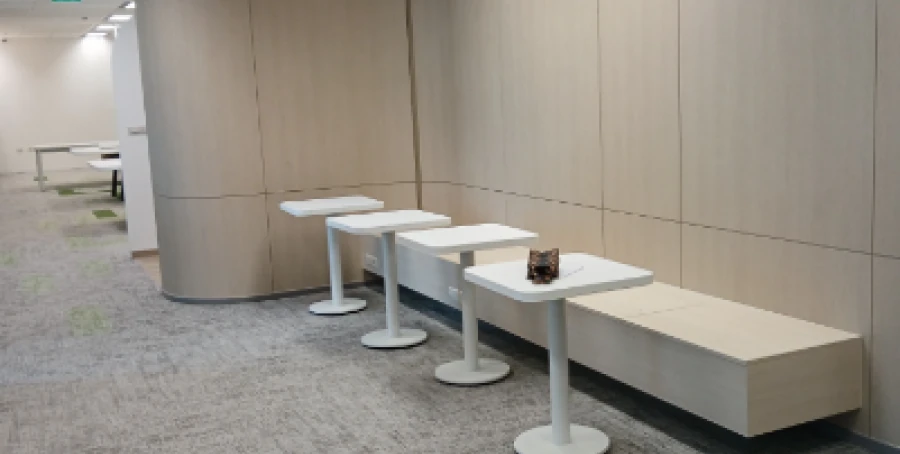
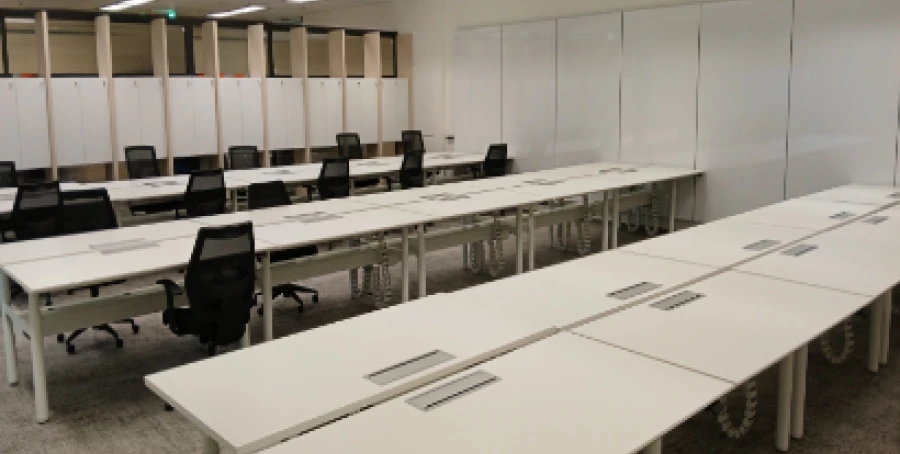
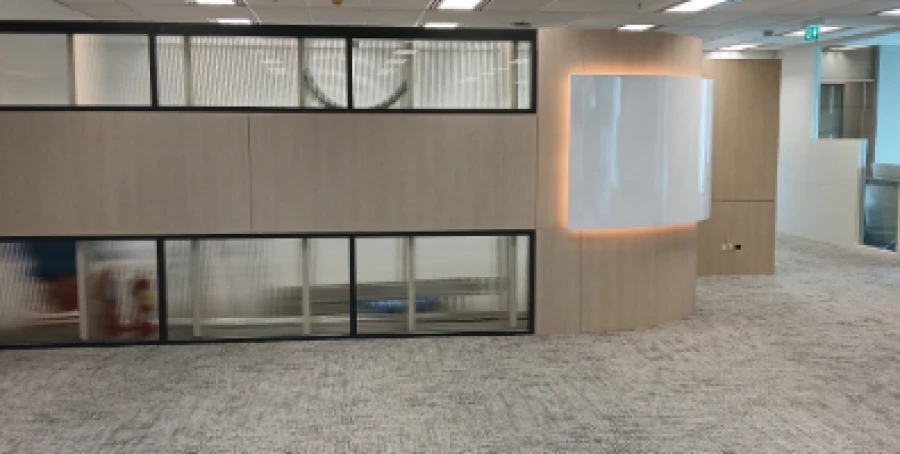
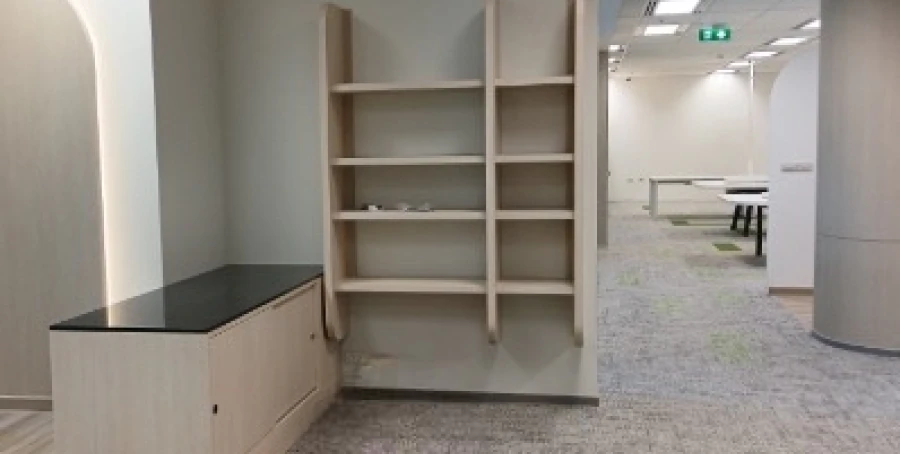
Sri Trang Agro-Industry Public Company Limited, Bangkok Branch, has improved its office facilities by adding amenities, relaxation areas, and recreational corners. These enhancements aim to create a better work environment, promoting employee well-being and increasing workplace happiness.
5. Work-Life Balance
Employees can choose their own benefits, whether it be OPD health insurance or other benefits such as purchasing books for self-development, dental expenses, eyewear costs, spa services, fitness memberships, or travel support.
Sri Trang Agro-Industry Public Company Limited, Bangkok Branch, supports a flexible working arrangement that allows employees to manage their working hours according to their lifestyles. Employees can choose between two working schedules: 09:00–17:30 or 09:30–18:00. This initiative helps promote work-life balance and enhances employees’ quality of life. The company recognizes the importance of employees’ well-being and the welfare of their families as a fundamental basis for sustainable growth. Employees are supported in caring for their families through family-related benefits, such as:
- Paid primary caregiver maternity leave: Employees who are the primary caregiver are entitled to 120 days of paid leave. In cases where a child is at risk of complications, has abnormalities, or a disability, employees may take an additional continuous leave of up to 15 days, with 50% of regular wages upon presenting a medical certificate.
- Paid secondary caregiver leave: Employees who are secondary caregivers are entitled to up to 15 days of paid leave per pregnancy, which can be taken before or after childbirth, but must be used within 90 days from the date of birth, with pay calculated based on the regular wage rate for a maximum of 15 days.
However, the Company has had no significant labor disputes over the past three years (GRI 419-1)
Recognition and Certifications
• ILO International Labour Organization Standards
Sri Trang Agro-Industry Public Company Limited, Phitsanulok Branch, passed the ILO '11 Indicators of Forced Labor' assessment under the Project Pilot Factory for Human Rights Standard, according to the International Labour Organization (ILO) by the United Nations (UN), reinforcing global confidence and a positive image for Thailand's rubber industry.
• Good Labour Practice (GLP) Recognition from the Department of Labour Protection and Welfare:
Rubberland Products Company Limited Buriram Branch
Employee’s Remuneration
The Company appropriately manages and determines the remuneration of employees at each level in accordance with the national minimum wage rate. Each year, the Company also explores compensation and benefits comparable to similar industries to ensure appropriate remuneration, including the external environment to review and improve the remuneration criteria to be appropriate. In addition, there is continual review and development in order to be able to manage compensation in accordance with the trends and needs of the new generation of employees. There is no gender difference in employee compensation and promotion; instead, abilities and performance of employees are the main considerations.
Type of Performance Appraisal
The Company implemented the Performance Management System (PMS) by establish the PMS working group to consider and the guideline to consideration and set up the Key Performance Indicator (KPIs) in each business unit in order to set the goals of each department to be consistent and the same guidelines throughout the organization. In 2025, 100% of employees receive an annual performance appraisal based on the KPIs of each department. (Disclosure 404-3)
Productivity Management
The Company has a dedicated unit in charge of compensation management that works together with productivity to increase production potential by using labor efficiently coupled with appropriate compensation to employees.
Our focus through productivity management is to eliminate loss, waste and inefficiency in process, including promoting the creation of new innovations in work. In this regard, the strengths of the Company's productivity management are as follows:
- The best productivity management from comparing different factories in the same business group to find the best productivity management (Benchmarking/Best Practice) as well as setting challenging productivity goals. As a result, the development of potential is accelerated and the standards of work are created to be higher all the time.
- Increasing the potential and skills of employees so that they can perform a variety of tasks and receive appropriate compensation. It also reduces the impact of the resignation of employees. The Company has employees who can replace the resigned employees at any time.
- The Company has introduced new technology into the production process. The Company has a project to support research and development in machinery to replace labor or to help reduce the workload of employees, especially Automation/Robot systems that will replace the point that is heavy work or there is a risk of failure. The most important is these technologies will substitute hard or dangerous work, it is able to contribute quality of life of our workers become healthier.
Remuneration Management Performance
| Average compensation ratio of female employees to male employees | 2022 | 2023 | 2024 | 2025 | ||||
|---|---|---|---|---|---|---|---|---|
| Base salary only | Base salary and Bonus | Base salary only | Base salary and Bonus | Base salary only | Base salary and Bonus | Base salary only | Base salary and Bonus | |
| Top Management (L7-L12) | 0.92 | 0.82 | 0.89 | 0.79 | 1.06 | 1.14 | 1.15 | 1.21 |
| Management (L5-L6) |
0.98 | 0.96 | 1.05 | 1.04 | 0.89 | 0.88 | 1.05 | 1.00 |
| Operation (L3-L4) | 0.98 | 1.04 | 1.03 | 1.04 | 1.08 | 1.09 | 0.94 | 0.98 |
| Operation (L1-L2) | 0.96 | - | 0.95 | - | 1.03 | - | 1.02 | - |
Human Capital Development
The Company places importance on personnel development. The Company has put into effect a personnel development policy and a succession plan (collectively referred to as the “Plan and Policy”), which set guidelines for skill development, common and specific knowledge in responsible positions along with creating a mindset on social and environmental responsibility of employees.
The Company has established Career Development Plans and Individual Development Plans for all employees, including permanent, contractual, and part-time employees incorporating training courses that enhance work-related competencies, such as leadership skills, risk management, anti-corruption practices, and conservation-oriented concepts in "Green Rubber Industry," among others. Training curricula are aligned with job responsibilities, with a focus on continuously developing employees' knowledge, capabilities, and essential skills required for both current and future job performance. Training delivery emphasizes the utilization of information technology to facilitate personnel learning and development, including online training, video learning, self-learning through the Company's internal @Core system, as well as on-the-job training. Beyond focusing on employee knowledge and skill development, the Company also emphasizes cultivating awareness and positive behaviors in the green rubber industry concurrently. The Company employs a systematic approach to recording and maintaining employee training records to ensure efficient and effective training data management.
In addition to developing employees throughout their careers, the Company places importance on supporting employees during career transitions, including retirement and employment termination. To facilitate a smooth transition, the Company has established the "STA Smart Retirement Transition Program", which aims to prepare employees for a high-quality retirement, reduce financial and health-related risks after retirement, create opportunities for continued careers and sustainable income generation, and strengthen long-term connections among employees, communities, and the Company. The program also promotes retirement preparedness and career transition planning to help employees adapt to the next stage of their professional and personal lives. Where appropriate, support measures include career counseling, financial planning guidance, knowledge transfer, and opportunities for reskilling and lifelong learning to enhance employees' readiness for post-employment opportunities and promote their long-term well-being.
In developing the potential of employees in the organization for business excellence and sustainability, along with creating good and talented people for society, the Company has set guidelines for employee development as follows:
- Basic Employee Training: According to the personnel development plan, this training covers job responsibilities, work documents according to quality system standards, and basic knowledge review (In-house Training & On the Job Training) for all positions. It ensures that all employees have the necessary knowledge for their duties and promotes self-learning through the information system (@Core system), which provides consistent study and review materials, including tests to measure learning outcomes.
- Legal Compliance Training: This training ensures employee safety at work, focusing on instilling safety behavior awareness and relevant laws, such as confined space courses, crane operation courses, and proper and safe forklift driving courses. It also includes safety officers at various levels and the Occupational Safety, Health, and Environment Committee (OSHEC).
- Training for Key Successors to develop the potential of employees to be ready for their positions.
- Essential Knowledge Training: This training develops work skills, leadership, and management skills necessary for effective management, aligning with the company's policies and vision. It includes skills and expertise in using technology during the COVID era and enhancing professional knowledge to perform current tasks efficiently and promote employee potential for future work capabilities, following the company's beneficial guidelines.
- New Employee Orientation: This training covers corporate governance, including topics such as corporate governance policies, business ethics, anti-corruption policies, complaint handling policies, conflict of interest prevention policies, and related practices.
- Corporate Governance Training: This training ensures that all employees understand and can correctly implement corporate governance and business ethics policies, including anti-corruption practices, complaint handling, conflict of interest prevention, and proper use of internal information. It is conducted and reviewed at least once a year during the fourth quarter.
- Promoting internal learning through the 'STA Share & Learn' program. The company believes in the specialized knowledge within the Sri Trang group and creates internal experts to share knowledge and exchange experiences through various activities to harness employee potential. These internal experts cover various fields, such as quality system experts, environmental and safety system experts, crane experts, and forklift experts.
- Developing employee knowledge and skills through Activity Development, such as 5S activities, Quality Control Circle (QCC), Kaizen, and One Point Lesson (OPL). These activities encourage employees to take responsibility for continuous improvement and development, which helps reduce production costs, streamline work processes, and enhance convenience by leveraging knowledge, work skills, and modern technology.
- Sri Trang Culture (STA Culture): This initiative instills attitudes and work practices according to the Sri Trang Core Values for new employees joining the Sri Trang group. It also fosters good relationships among new employees from different locations and cultures through joint activities.
- Encourage employees to visit work in various businesses of the Sri Trang Group together, including study visits to other works, both domestic and abroad, in order to enhance the experience, bring creativity to develop further in their own work or exchange ideas with other agencies.
- Creation of forums to showcase achievements in the organization, “Activity Prize” and “STA Champion,” for employees to participate in showing their work and abilities, which leads to pride and work exchange among one another. This will be a shortcut for further development, as well as expansion. More importantly, it is a way to train personnel to learn how to become a champion and guidelines for maintaining the championship, which must constantly improve the working process.
Employee Development Performance
| Employee Development | Unit | 2025 |
|---|---|---|
| Target: Training Hours Average | Hours/Person/Year | 35 |
| Result: Training Hours Average (GRI 404-1) | Hours/Person/Year | 147.48 |
| Training hours | Hours | 871,619 |
| By Gender | ||
|
Hours | 577,503 |
|
Hours | 294,116 |
| By Age Group | ||
|
Hours | 193,917 |
|
Hours | 601,997 |
|
Hours | 75,705 |
| Training hours by level | ||
|
Hours | 743,609 |
|
Hours | 114,039 |
|
Hours | 13,851 |
|
Hours | 121 |
| Training hours by skill | ||
|
Hours | 28,681 |
|
Hours | 12,791 |
|
Hours | 360,308 |
|
Hours | 70,357 |
|
Hours | 74,216 |
|
Hours | 50,540 |
|
Hours | 68,310 |
|
Hours | 41,961 |
|
Hours | 164,456 |
| Total training costs | Bath | 12,489,491.41 |
| Average amount spent in training for all employees | Bath/Person/Year | 2,113.2811 |
| Human Capital Return on Investment-HC ROI | Ratio | 0.76 |
| Promoted Monthly-Paid Employees | Percent | 3.71% |
Key projects for training and skills development
Empowering Senior Leaders to Drive AI Transformation and Social Impact
9 January 2025
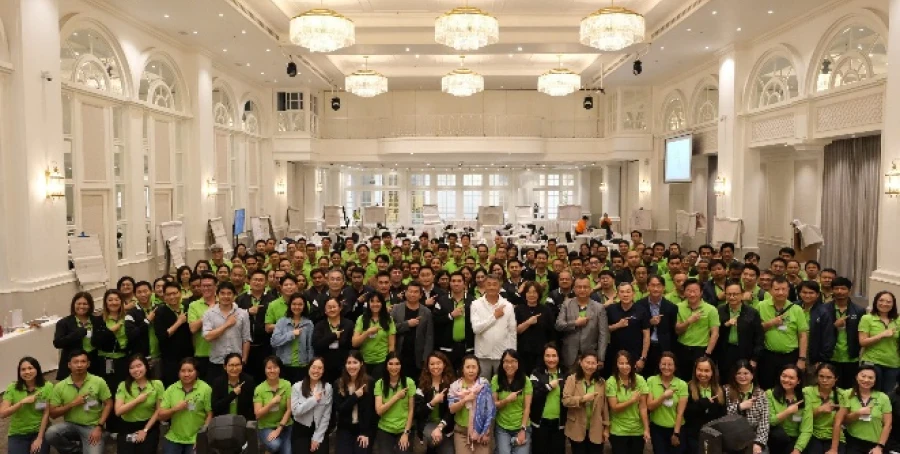
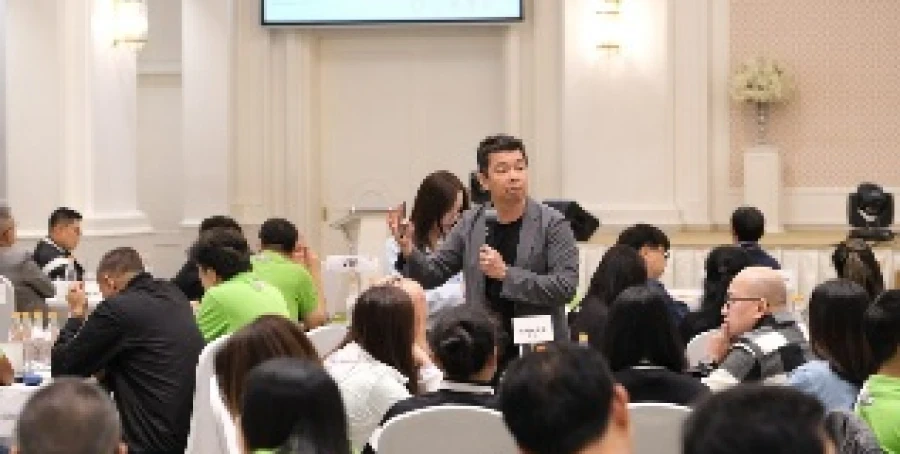
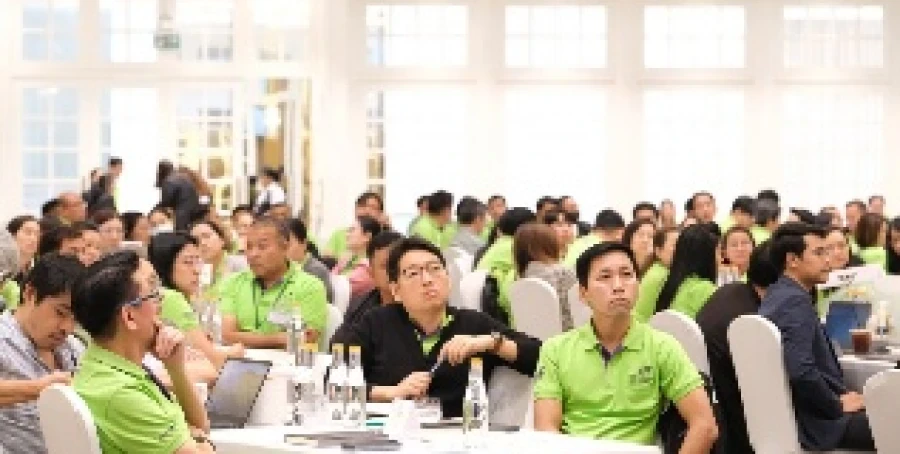
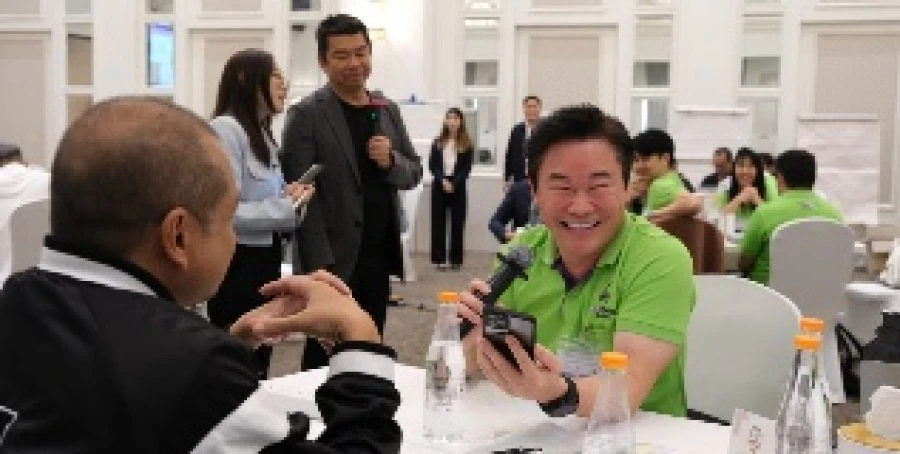
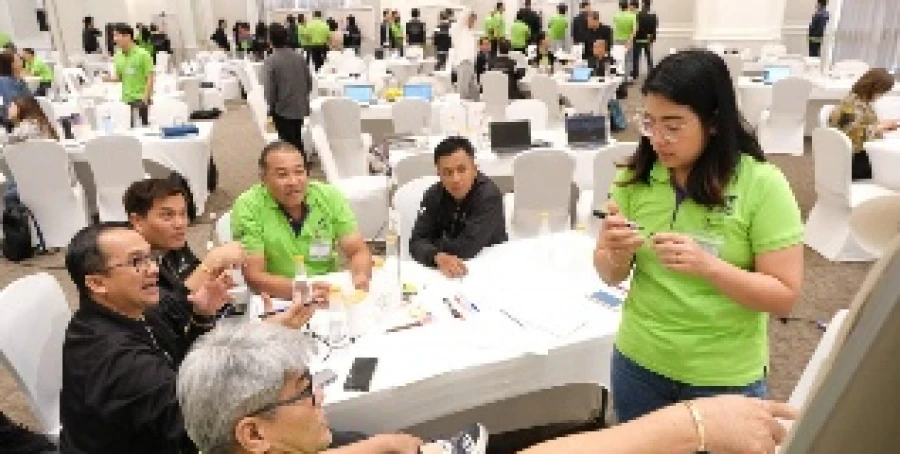
The curriculum is designed to inspire and empower Sri Trang's senior management to implement AI-driven transformation initiatives. The content integrates interactive learning with practical applications tailored to the rubber industry, culminating in reflection and action planning to drive meaningful change.
Objectives and Outcomes of the Project:
- To inspire and enhance the knowledge, tools, and leadership skills of Sri Trang's senior management
- To implement AI-driven transformation through various sessions
- To integrate interactive learning with practical applications tailored to the rubber industry
Number of Participants:
Total of 156 participants
Employee Benefits
- Participants will gain guidance on change management, team inspiration, and AI implementation aligned with organizational goals
- Employees will understand AI applications in the rubber industry, equipped with frameworks and tools to effectively plan and execute AI projects
Benefits to the Company
- The Company will develop personnel with knowledge and skills in AI strategic planning aligned with organizational goals and sustainability directions, capable of effectively driving transformation. This will result in continuous organizational development, enhanced competitive capabilities, and robust preparedness for future changes.
Strategic AI Leadership, Visionary Roadmap, and Leading Change for Sri Trang's Future
10 January 2025
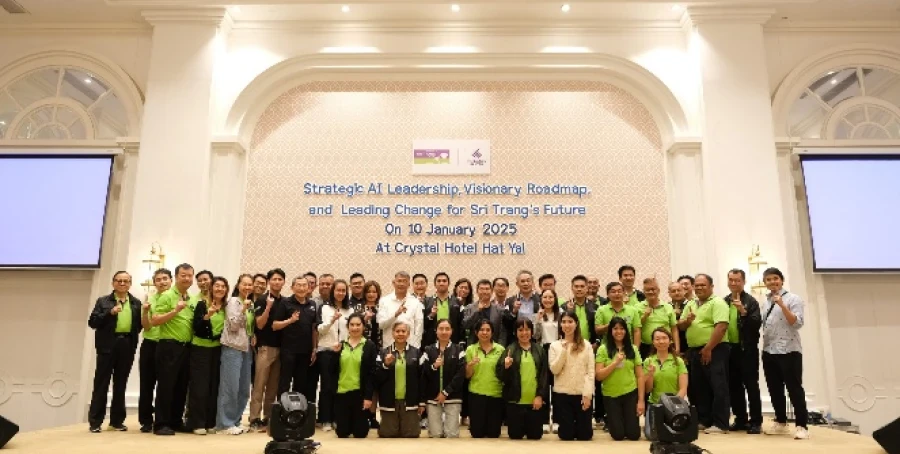
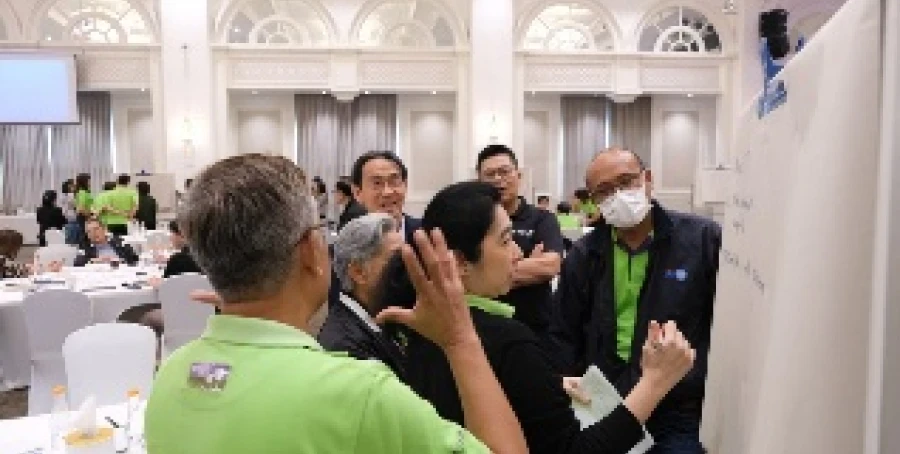
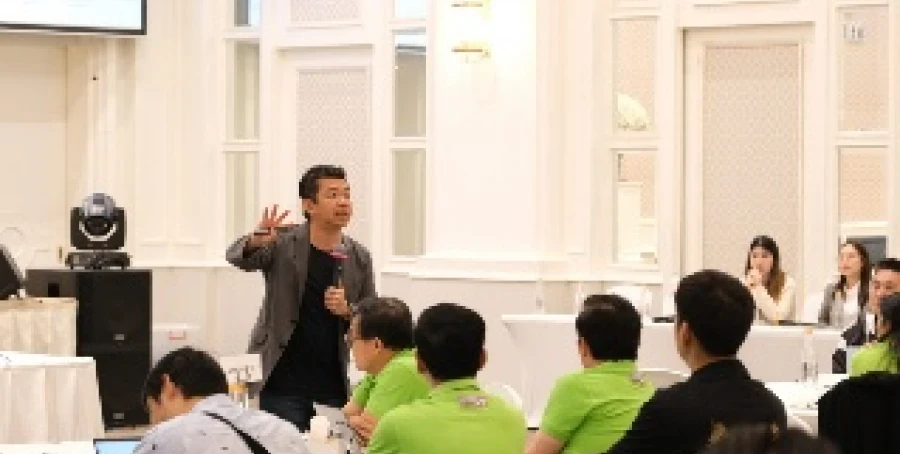
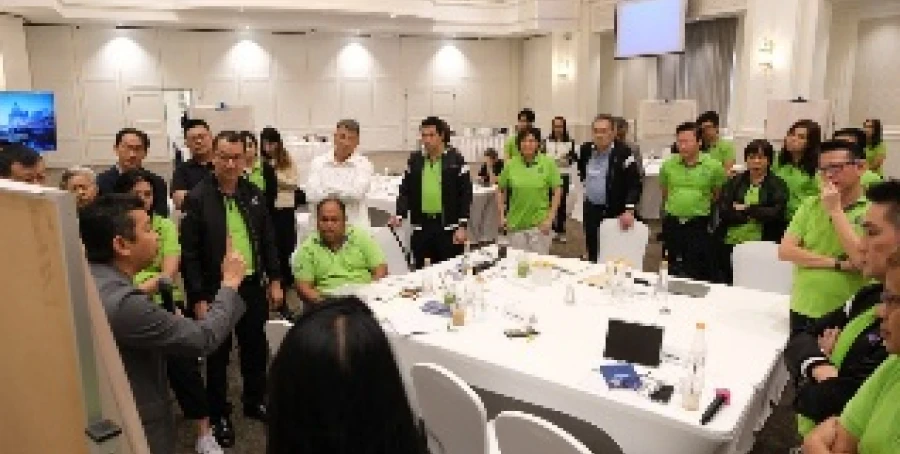
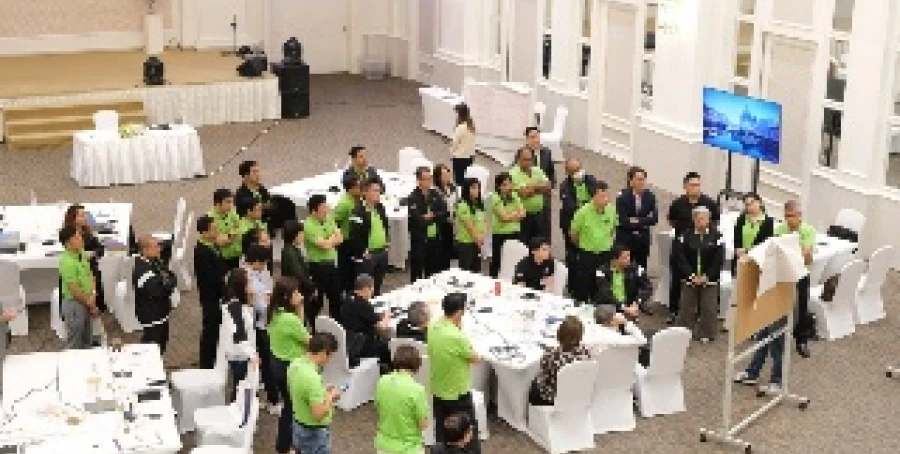
This curriculum is designed to inspire Sri Trang's senior leadership to drive AI adoption aligned with the organization's strategic objectives and sustainability directions. Through interactive activities, participants will learn to anticipate change, develop data-driven visions, prioritize high-impact AI initiatives, and effectively lead transformation.
Objectives and Outcomes of the Project:
- To inspire Sri Trang's senior leadership to drive AI adoption aligned with the organization's strategic goals and sustainability initiatives
- Participants will learn to anticipate change, develop data-driven visions, prioritize high-impact AI initiatives, and effectively lead transformational change
Number of Participants:
Total of 35 participants
Employee Benefits
- Participants will acquire knowledge, skills, and frameworks for planning and driving AI implementation aligned with the organization's strategic goals and sustainability objectives, while enhancing leadership capabilities in change management and generating tangible impact
Benefits to the Company
- The Company will develop visionary leaders with capabilities to plan and drive AI adoption aligned with organizational strategy and sustainability goals, enhancing operational efficiency, fostering innovation, and ensuring robust organizational resilience to future transformation
Building Scalable AI Solutions with Robust Data Governance and Leadership for Change
10 January 2025
The curriculum aims to empower Sri Trang's technical teams with the knowledge, tools, and leadership skills to develop powerful AI solutions. Participants will learn about AI applications suitable for the rubber industry, effective data management approaches, and scalable data architectures. Additionally, the program emphasizes the leadership role in change management and inspiring teams to successfully drive technical transformation.
Objectives and Outcomes of the Project:
- To enhance Sri Trang's technical teams' capabilities with knowledge, tools, and leadership skills for developing effective AI solutions
- Participants will learn about AI applications tailored to the rubber industry, robust data governance approaches, and scalable data frameworks
Number of Participants:
Total of 34 participants
Employee Benefits
- Participants will understand AI applications in production processes and supply chain, while learning to structure scalable and efficient data architectures
- Participants will be able to lead teams through transformation, inspire others, and manage challenges in new technology adoption
Benefits to the Company
- The Company will have technical teams capable of designing and implementing AI projects effectively, aligned with strategic goals and ESG objectives
- AI adoption and governed data systems will reduce costs, enhance quality, and create long-term business competitive advantages
DIGITAL TRANSFORMATION (DX) : The Path to Organizational Excellence
13 March 2025
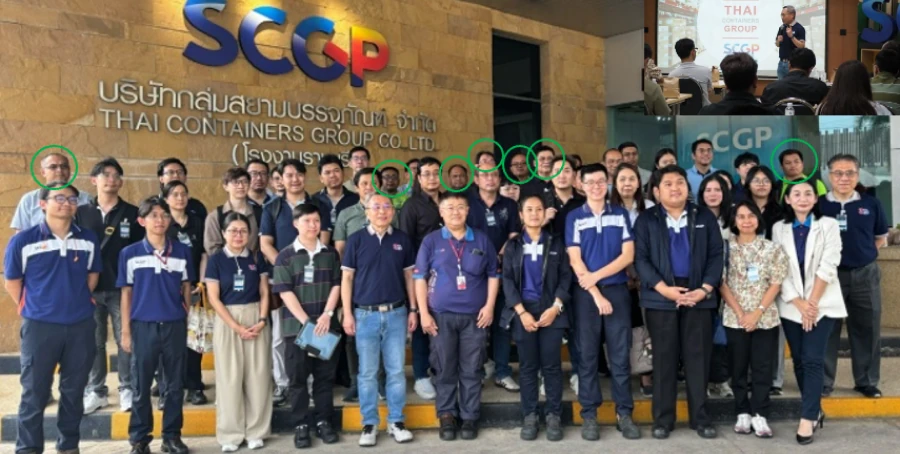
In the current era, the world is rapidly advancing into the digital age. Digital technology plays a pivotal role in every dimension of life, including work, education, and daily living, necessitating organizations to adapt and transform themselves to align with the digital era by applying digital technology to organizational operations. Digital Transformation is the modification of organizational operating models through the use of digital technology to enhance efficiency and competitiveness. The digital transformation process requires collaboration from all organizational sectors, particularly personnel, who are the cornerstone of change. Change Management facilitates organizational adaptation and smooth transition. Effective change management enables organizations to achieve digital transformation objectives efficiently.
Objectives and Outcomes of the Project:
- To cultivate Digital Mindset among executives and practitioners
- To learn, understand, and enhance Digital Literacy and Digital Skills
- To learn and understand the Digital Transformation Framework
- To formulate appropriate and cost-effective Digital Transformation Strategy, action plans, and budget plans that provide value for investment in digital organizational transformation
- To enable the application of digital technology within the organization and work processes to enhance efficiency
- To emphasize the importance of data-driven organizational management, integrating and connecting data management accurately, comprehensively, currently, and securely
Number of Participants:
Executive and factory manager levels
- Mr. Chalermpop Khanjan Executive Director and Chief Operating Officer
- Mr. Patrawut Panitkul Executive Director and Chief Financial Officer
- Mr. Chetta Naktay Manager, LTX and RSS Production Lines
- Mr. Panus Kongriun Manager, STR and PE Production Lines
- Mr. Anuwat Chimchun Factory Manager, STA-KD
- Mr. Ronnachai Srisukkaew Factory Manager, STA-CP
- Mr. Apichet Dechpichai Factory Manager, STA-SK
Employee Benefits
- Employees gain knowledge, skills, and approaches for applying digital technology in their work to enhance efficiency and prepare for transformation in the digital era
Benefits to the Company
- The organization can formulate strategies and execute digital transformation effectively, enhancing competitive capabilities and supporting sustainable development
The 7 Habits of Highly Effective People
8-9 April 2025
3-4 June 2025
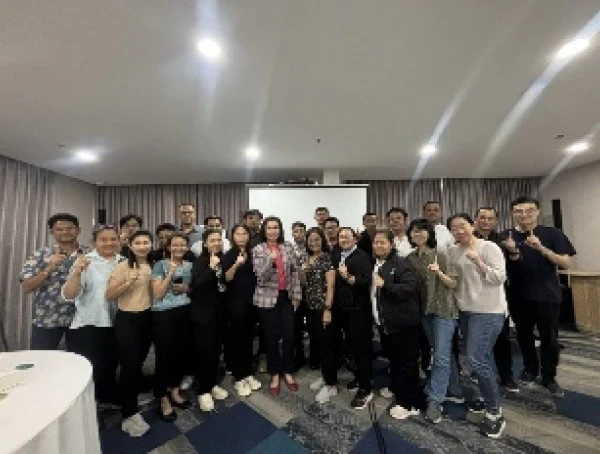
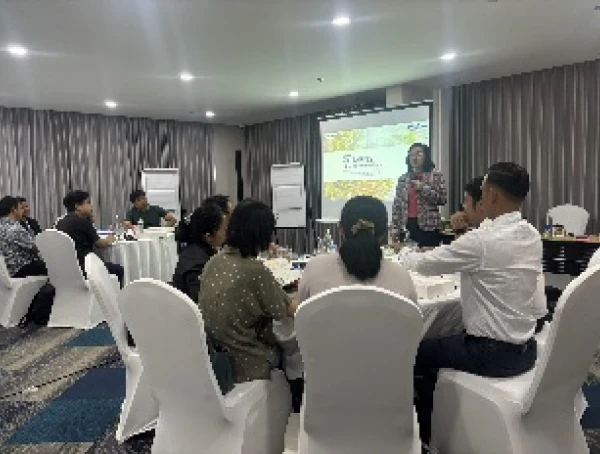
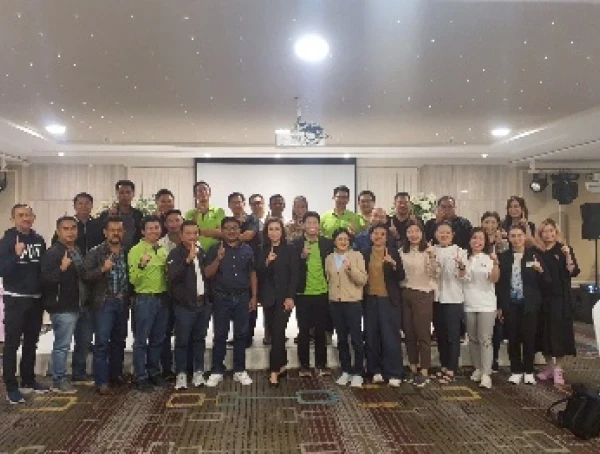
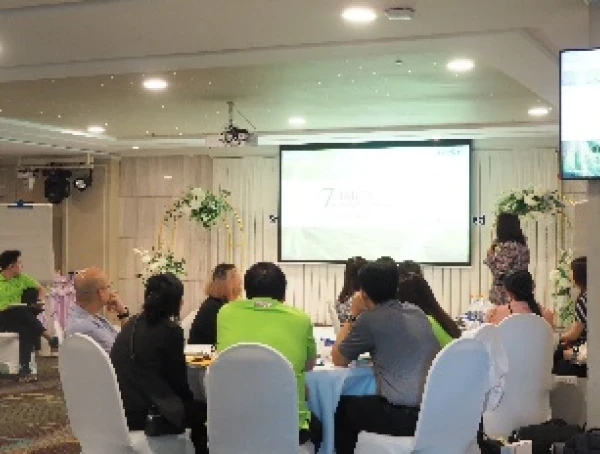
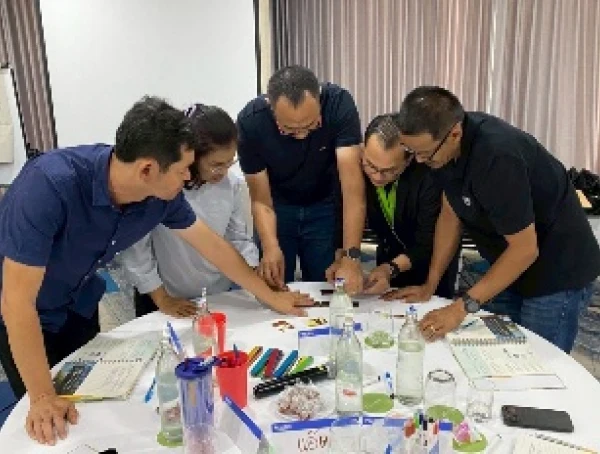
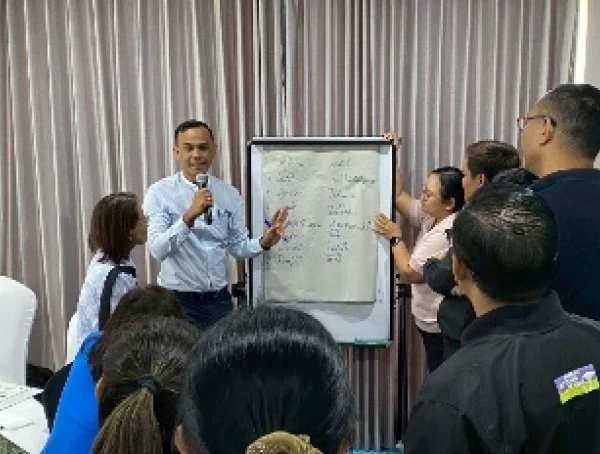
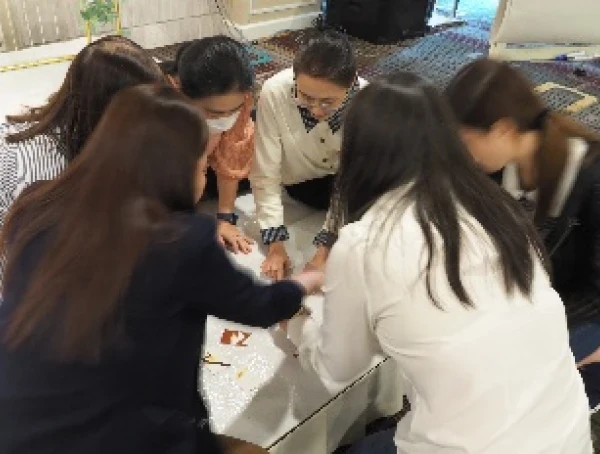
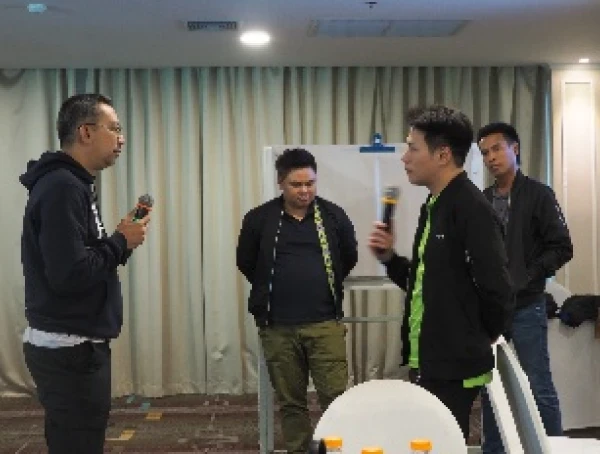
In an era of rapid change across technology, work, and lifestyle, self-development and effective team management are essential for personnel at all levels. The 7 Habits of Highly Effective People is an internationally recognized program that strengthens mindsets, attitudes, and behaviors leading to sustainable success in both personal life and work. This curriculum focuses on developing skills in positive thinking, planning, communication, collaboration, and balanced self-care through 7core habits that can be practically applied in daily life and work, cultivating effective personnel who drive organizational change.
Objectives and Outcomes of the Project:
- To develop attitudes and behaviors that promote sustainable success
- To strengthen self-management skills, collaboration with others, and effective leadership
- To enable participants to apply the 7 Habits principles in their work and daily life
Number of Participants:
- Batch 3: Total of 23 participants
- Batch 4: Total of 33 participants
Employee Benefits
- Employees will gain systematic approaches and tools for self-development, enabling effective time management, work planning, communication, and collaboration with others, while establishing balance between personal life and work
Benefits to the Company
- The organization will have responsible personnel with positive attitudes capable of working together effectively, resulting in a strong organizational culture that can sustainably drive organizational objectives
One Sri Trang Town Hall
5 June 2025
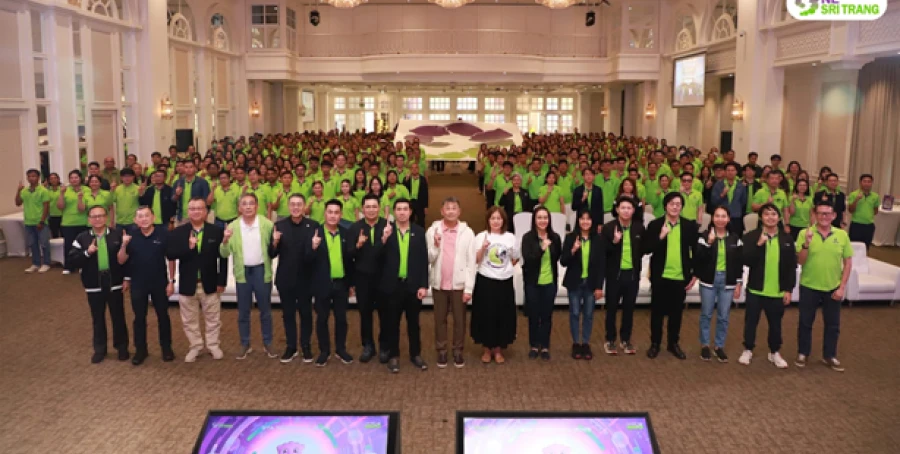
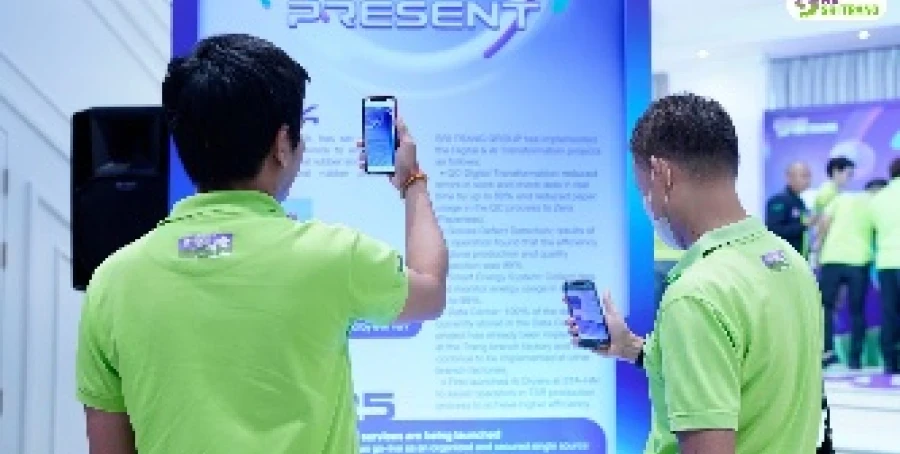
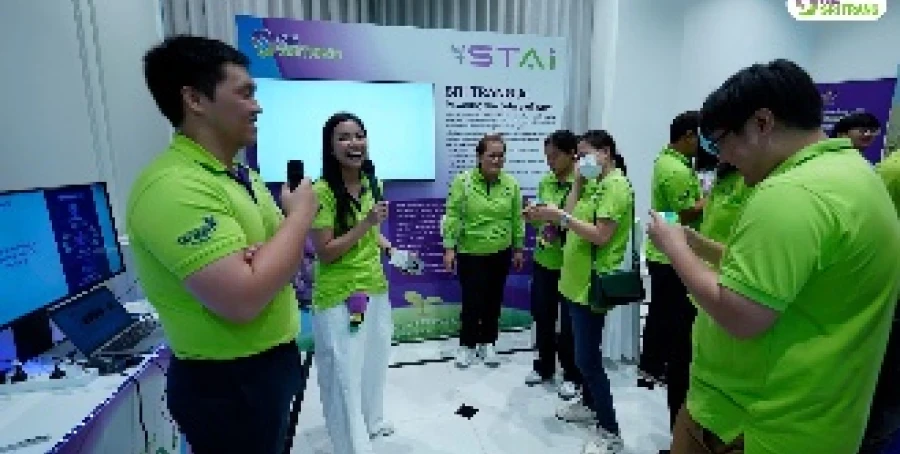
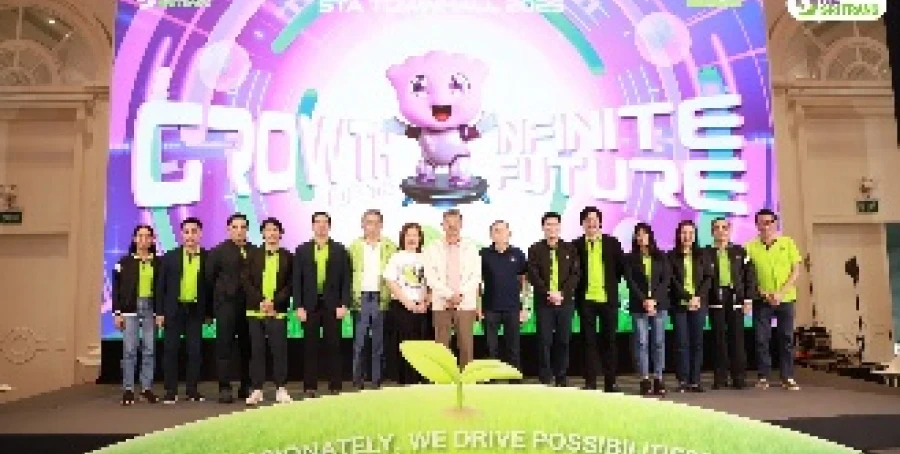
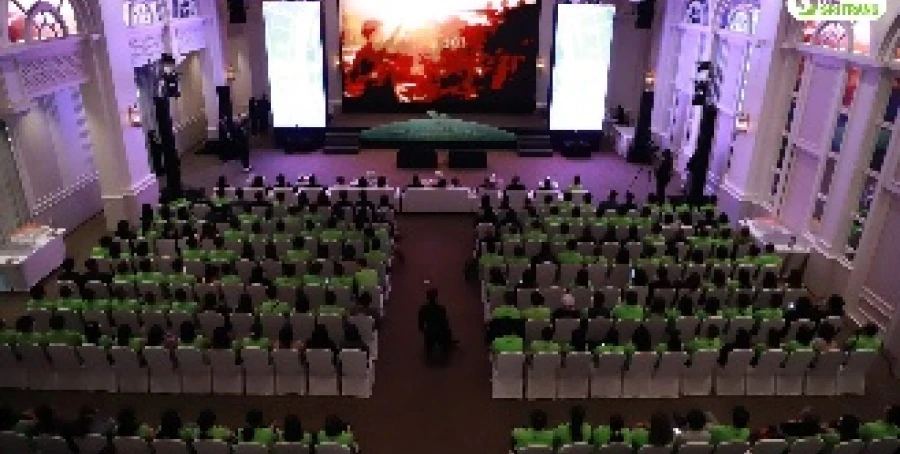
In an era of rapid transformation across technology, economy, and society, Sri Trang Group has continuously adapted and developed the organization, particularly through the integration of digital technology and AI into operations to enhance efficiency and create long-term sustainability.
The One Sri Trang Town Hall activity was organized to serve as a platform for communicating organizational direction, ongoing changes, and key strategies related to future organizational development. The event provides employees with opportunities to hear perspectives from senior management, exchange learning through various activities, and build shared understanding of organizational objectives.
Objectives and Outcomes of the Project:
- To communicate organizational direction, strategies, and significant changes comprehensively to all employees
- To build shared understanding regarding the application of digital technology and AI in organizational development
- To promote relationships and collaboration among teams from diverse organizational units
Number of Participants:
Total of 503 participants
Employee Benefits
- Employees gain in-depth information regarding organizational direction, technological transformation, and personal development approaches to prepare for the future and participate in driving organizational advancement
Benefits to the Company
- Establishes shared organizational understanding, strengthens employee engagement, and prepares for effective implementation of digital and AI strategies
AI-Bullet Train Strategy 2025 Course: From Idea to Action
14 August 2025
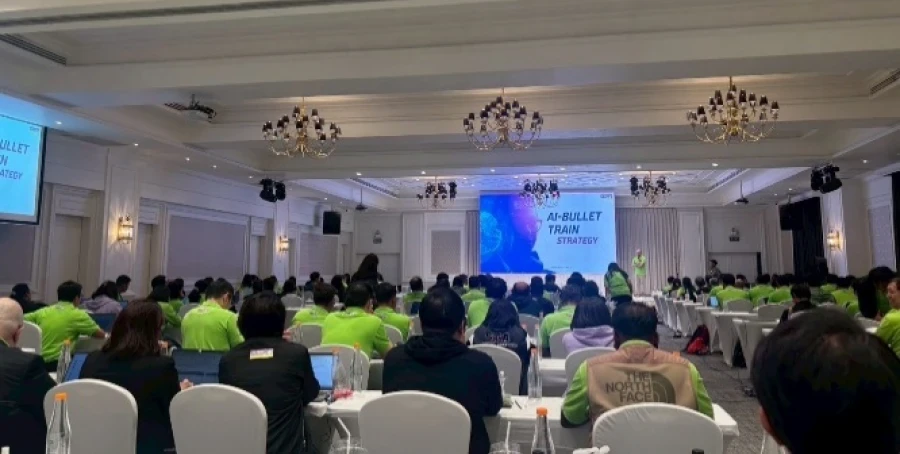
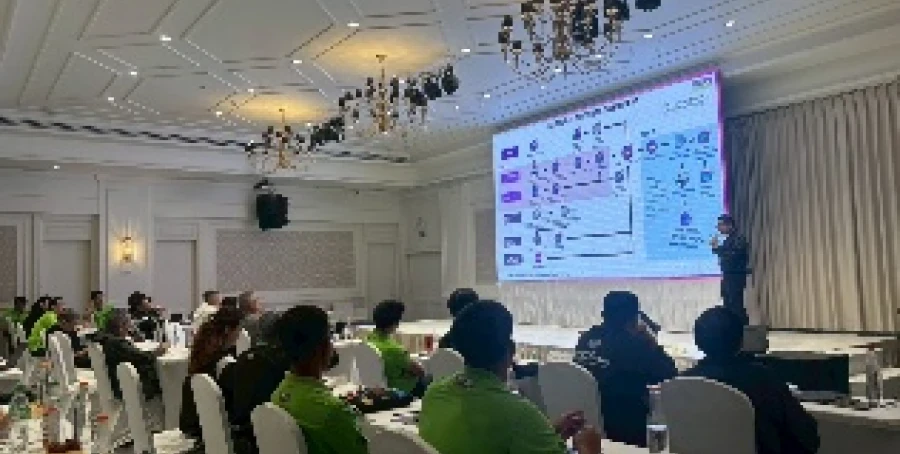
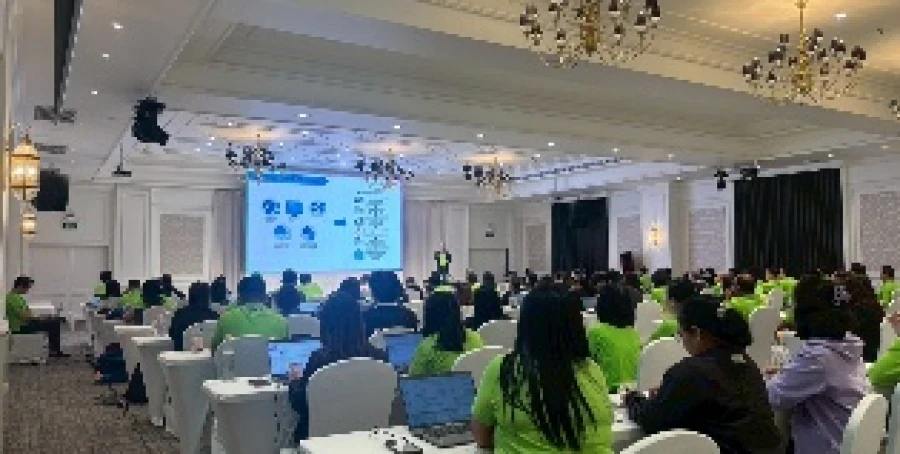
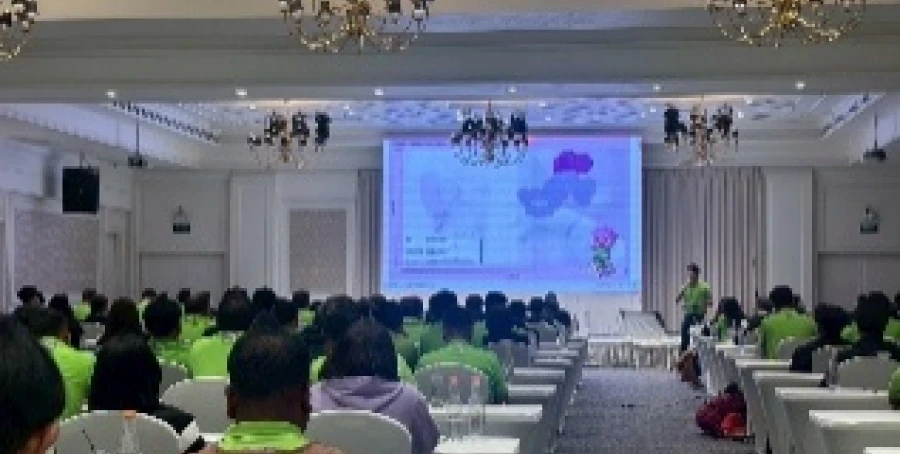
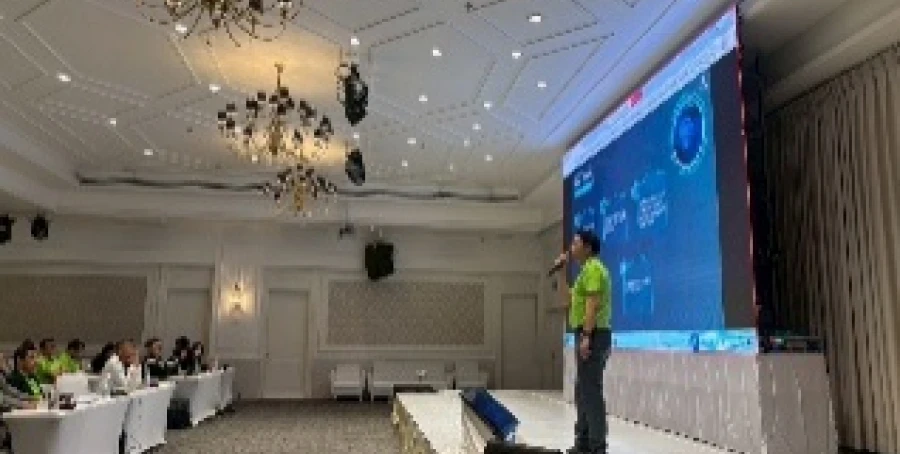
Sri Trang Group has earnestly commenced the integration of AI technology within the organization. This initiative aims to provide knowledge and understanding regarding appropriate AI implementation planning tailored to the context of each department or unit, emphasizing analysis, scope definition, and development of concrete action plans. Participants will have opportunities to present concepts, exchange perspectives, and develop these ideas into practical applications.
Objectives and Outcomes of the Project:
- To understand approaches for AI application in individual work contexts
- To promote systematic analytical thinking and AI implementation planning
- To enable each department to appropriately define AI operational scope and implementation guidelines
- To develop skills in presenting AI plans to management or organizational teams
Number of Participants:
Total of 152 participants
Employee Benefits
- Participants can develop AI concepts and implementation plans within their own contexts
- Each unit has preliminary action plans that can be further developed
Benefits to the Company
- The organization has shared understanding regarding AI utilization direction for development
Quality Day : Quality drives sustainability
28 February 2025
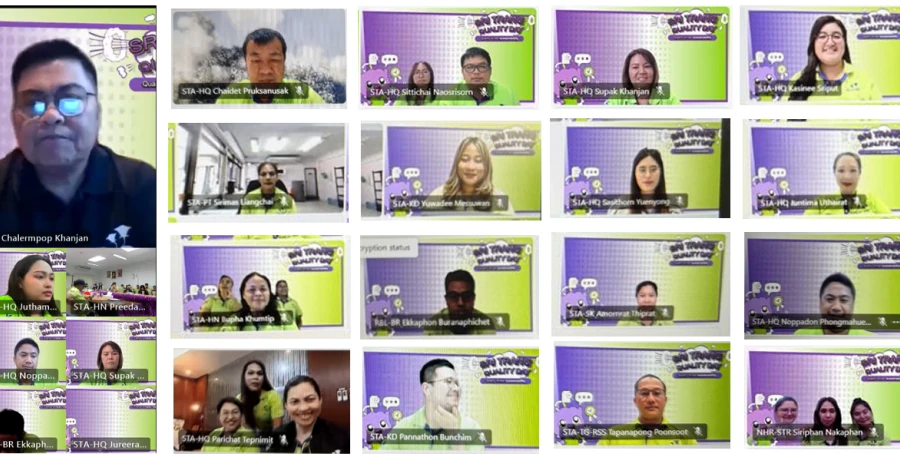
The Quality Day: Quality Drives Sustainability activity was organized to communicate organizational quality policy and direction for 2025, while providing opportunities for employee participation through group activities, perspective exchange, and learning from quality and environmental performance results of each factory within the Sri Trang Group. Additionally, a Quality Talk forum was held to share approaches for quality issue prevention, which enhances shared understanding and inspires continuous quality improvement
Objectives and Outcomes of the Project:
- To build awareness and understanding of the importance of quality systems and production of quality products in accordance with organizational standards
- To encourage all employees to participate in continuous quality improvement
- To create knowledge and understanding of quality policy and key operational plans, ensuring unified goals and operational direction for all personnel
Number of Participants:
Total of 1,210 participants
Employee Benefits
- Employees will understand organizational quality policy and objectives, enabling them to apply concepts and approaches in their work, while participating in continuous quality improvement at team and departmental levels
Benefits to the Company
- The organization will have personnel who recognize the importance of quality and environment, resulting in maintained production standards, reduced quality issues, and effective organizational advancement toward sustainability
Additionally, in 2025, the organization has implemented a policy to develop employee knowledge in AI, with related courses as follows:
- e-Form UAT and Brush up (iCube)
- Copilot for Microsoft 365
- Power BI
- Empowering Senior Leaders to Drive AI Transformation and Social Impact
- Data Platform for BU Champion
- Factory of The Future Introduction
- Generative AI for Business Users
- 2025 Esri Developer&Technology Summit
- Generative AI and RAG
- Transform Your Smart Phone into Professional Field Survey Equipment with ArcGIS
- DIGITAL TRANSFORMATION (DX): The Path to Organizational Excellence
- Governance and Risk Management for Using AI (Organized by the Stock Exchange of Thailand)
- Using AI to Solve Engineering Problems
- Lead with Insight: Power BI for Forward-Thinking Leaders
- Robotics Summit 2025
- COMPUTEX 2025 Discover AI NEXT and Future Tech Trends (Taiwan)
- Super AI (Singapore)
- The 27th China Hi-Tech Fair (China-Shenzhen)
- DigiTech ASEAN Thailand 2025-Digital Solutions for Business
- Digital Transformation & AI Foundation
- Digital Transformation Workshop
Employee Capacity Building Program
The Company placed importance on continuous development and enhancement of employee capabilities by encouraging employees to participate in study visits and benchmarking activities both domestically and internationally. These opportunities enable employees to learn from practical experiences, exchange knowledge, best practices, as well as modern innovations and technologies from external organizations. In 2025, the Company deployed employees for study visits to various locations, including:
- Taiwan: COMPUTEX 2025: Discover AI NEXT and Future Tech Trends
- Singapore: SuperAI
- China: BESS in China Trip
- China: The 27th China Hi-Tech Fair
- India: 5th World Teak Conference
- Malaysia and Songkhla Port: Study visit on container handling processes between ports and cargo vessels
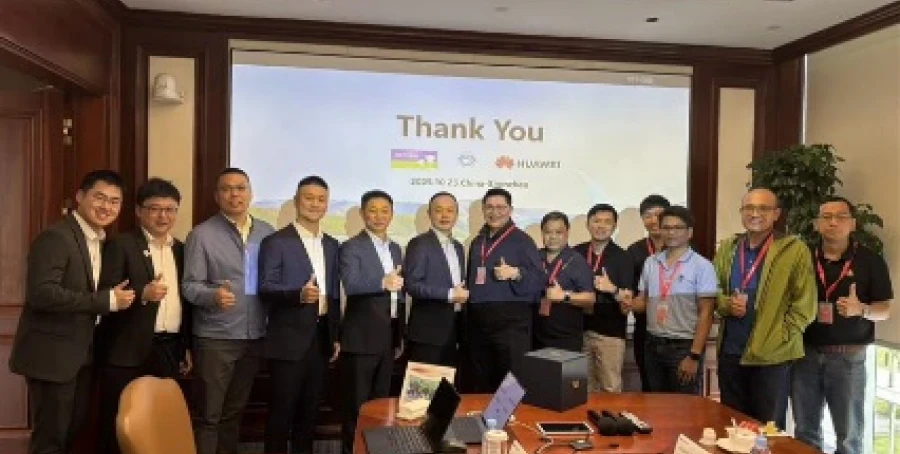
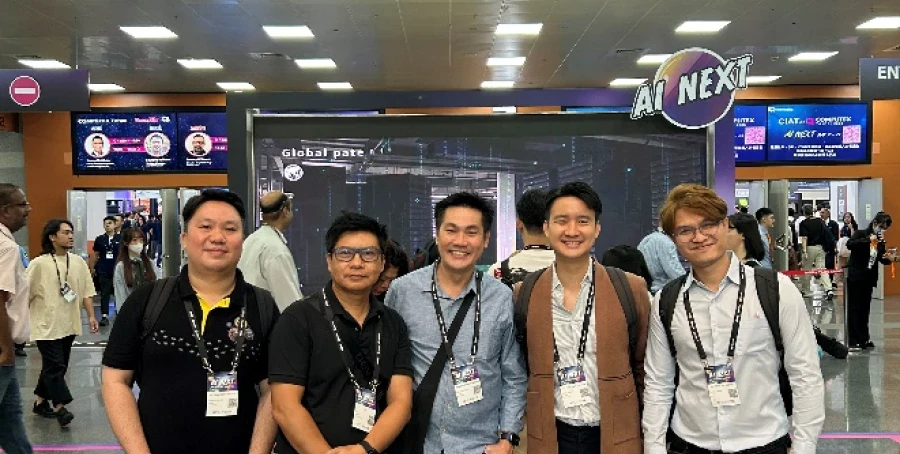
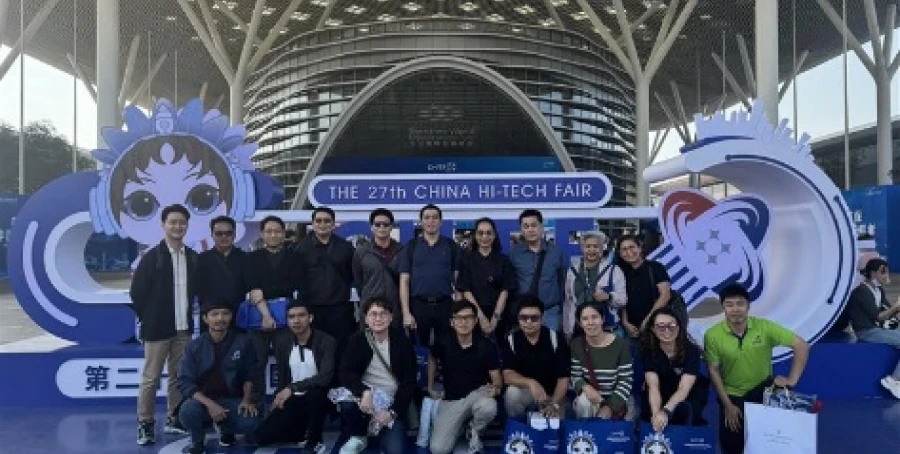
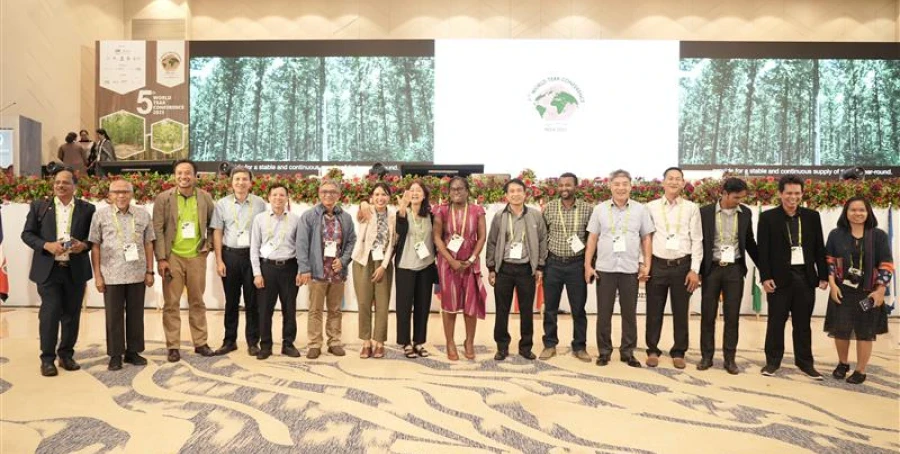
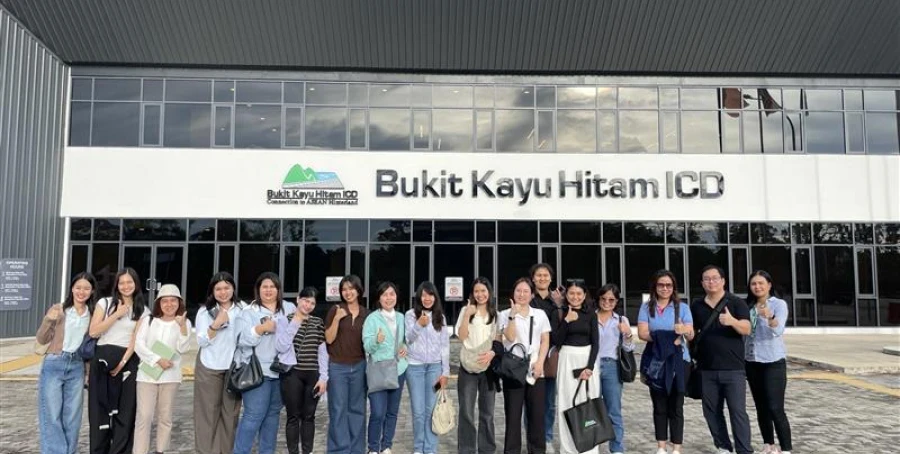
These study visits enhance employee skills, knowledge, and perspectives, enabling them to apply learnings to improve work processes, increase operational efficiency, and elevate the organization's long-term competitive capabilities. Furthermore, these initiatives inspire and foster lifelong learning among employees at all levels.
Successor Development
The succession plan for key positions is a process of pro-active readiness for personnel in supervisory positions and above to inherit the position from the former manager or executive who resigned or retired or take up a new position that exists to support the expansion of production capacity, factory and/or business expansion, which is considered a career advancement plan for employees and to prevent a shortage of personnel in key positions of the Company in the future. The Company has criteria for considering the selection of successors as follows:
- Job Performance Appraisal: based on the past performance of the successor employees.
- Potential Appraisal: based on leadership potential, attitude and behavior that are consistent with the core value of the organization, which might affect working in a new position in the future.
Employees who are appraised as successors will be regarded as high-potential talents and receive appropriate development to prepare them to become agency leaders in the future. When there are vacancies, the Company employees named on the list of successors will be considered first. If there are no qualified employees, the Company will continue to recruit from outsiders. The Company will regularly review the list of successors every two years.
The Company has set up a total of 20 succession development courses as follows:
- General knowledge about digital society
- Creativity and understanding of innovation
- Mediation techniques for organization cooperation
- Ability to make decisions
- Critical thinking skills and thirst to learn to grow
- Leadership skills
- Understanding and accepting social diversity
- Understanding of future technology and adaptation to changing situations
- Ability to analyze the financial statements and see the achievement ahead
- General knowledge and importance of presentation and preparation to present information
- Preparation of content to be presented and data analysis
- Data presentation design
- Techniques for presenting information effectively and presentation techniques with PowerPoint
- Analysis of consumer behavior with secondary data and primary data
- Creating a customer-centric mindset in work
- Risk management
- Advanced business management strategies
- Logistics and supply chain management strategies
- Emotional management intelligence
- Digital leadership
The succession development courses may be adjusted according to the situation and strategy of the Company and for the suitability of the group of successors. In addition, the Company determines to appraise learning outcomes after training in each subject, including appraising the potential of successors by appraising competency in the following areas:
Core Competency
- Specialist
- Teamwork
- Accountability
Functional Competency
- Business knowledge
- Production technique and process
- Cost management
- Productivity management
- Decision making & Problem solving
- Systematic thinking
Technical/Professional Competency
- Change management
- Leadership
- Team management
- Human resource management
- Risk management
- Vision & strategic management
- Complexity management
This is to ensure that successors are ready to take on higher positions in terms of knowledge, skill, and attitude.
Employee development and innovation creation through development activities
From the Company’s employee development guidelines through development activities and forums to showcase the work and achievements of employees, the Company has implemented Kaizen, QCC, and OPL feedback activities to drive employee work process improvement and promote the invention of new innovations. There is an annual QCC and Kaizen competition for employees under the name “STA Champion 2025”. This year, a large number of employees participated in the QCC and Kaizen contests, with departmental executives and Company directors joining as the judges.
Activity Development Performance
| Activity | 2022 | 2023 | 2024 | 2025 | ||||
|---|---|---|---|---|---|---|---|---|
| Subject | Save Cost (million baht) | Subject | Save Cost (million baht) | Subject | Save Cost (million baht) | Subject | Save Cost (million baht) | |
| OPL | 107 | - | 122 | - | 64 | - | 181 | - |
| Kaizen | 944 | 24.4 | 1,113 | 22 | 1,186 | 25 | 1,652 | 15 |
| QCC | 106 | 7.7 | 118 | 11.6 | 105 | 9.7 | 83 | 12.2 |
Examples of Work Improvements from Quality Activities
KAIZEN: Increase CY production capacity
Branch: Nam Hua Rubber Co., Ltd. (Concentrated Latex)
Before Improvement
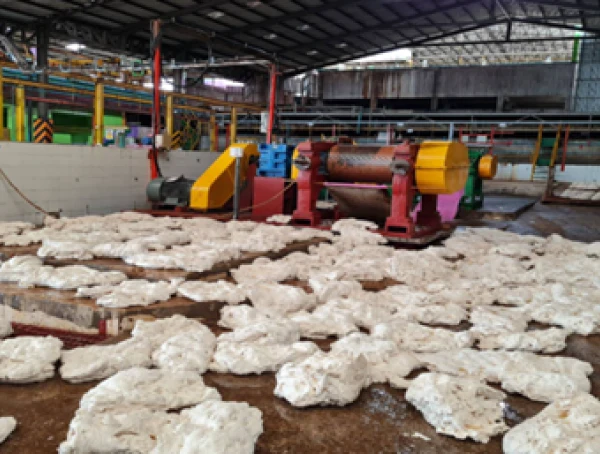
Work Process
After the skim rubber coagulates, employees release the skim rubber from the pit and lift the rubber blocks onto storage racks. The blocks are then transported using a forklift to the skim rubber rolling machine, where they are processed into sheets and rolled for storage.
Problem Point
During the transportation of rubber blocks to the rolling machine, losses occur due to movement and handling while waiting for production.
After Improvement
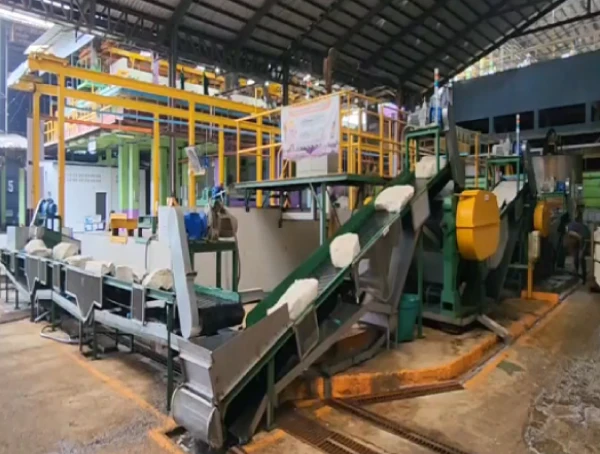
Improvement
Three additional conveyor lines were installed to transport rubber blocks to the first rolling machine. This reduces the steps where employees manually lift the blocks onto storage racks and decreases the use of forklifts for moving the blocks to the first rolling machine.
New Work Process
After the skim rubber coagulates, employees release the rubber blocks from the pit and place them onto the conveyor. The conveyor then transports the blocks continuously to the first and second rolling machines, allowing uninterrupted rubber sheet processing.
Benefits Achieved
- Improved Work Efficiency
- The conveyor system enables a smoother and more continuous workflow.
- Reduces bottlenecks in feeding raw materials into the machines.
- Reduced Employee Burden
- Eliminates the need for employees to frequently lift rubber blocks manually.
- Minimizes injuries and risks associated with heavy lifting.
- Reduced Forklift Usage
- Helps lower operational costs.
- Reduces congestion in the work area and enhances safety.
- Reflects Continuous Improvement
- Serves as an example of process improvement for sustainability, demonstrating care for both employees and factory efficiency.